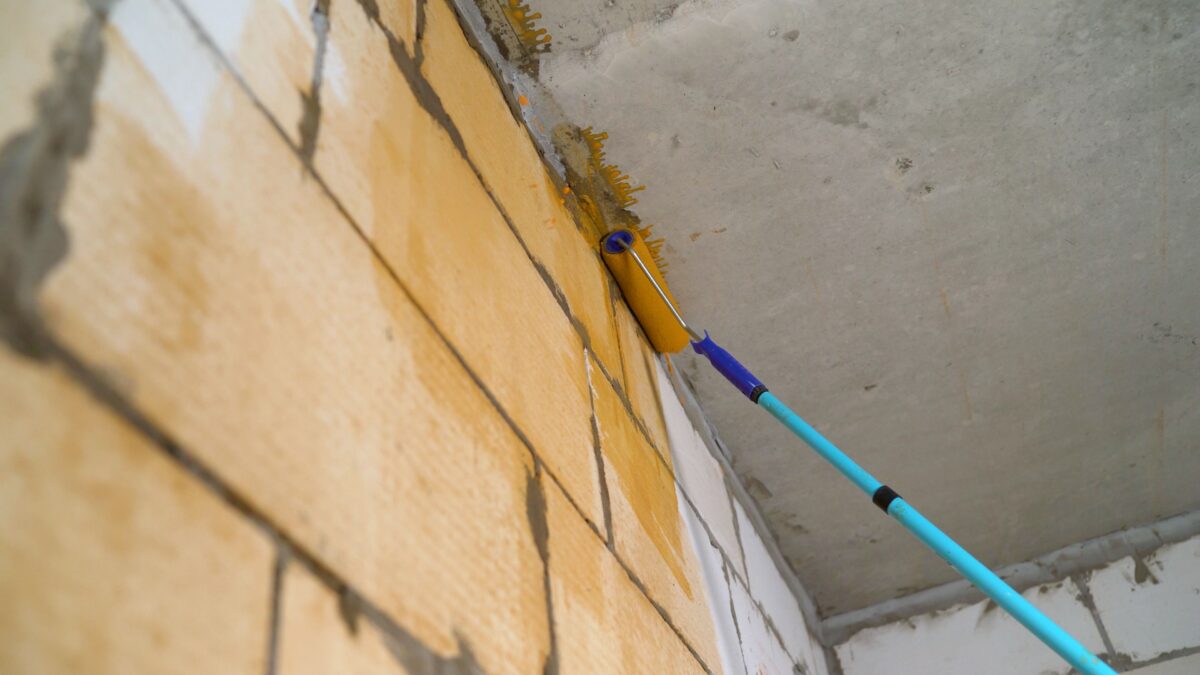
Why Surface Preparation Determines the Durability of Every Paint Job
When a paint system fails, the product is often the first thing to take the blame.
The coating was wrong. The specification was unsuitable. The paint simply wasn’t up to the job
In reality, long-term performance is rarely determined by the name on the tin. It is determined by what happens before the first coat is applied.
Whether you’re managing a commercial refurbishment, office fit out or heritage restoration, proper surface preparation is the foundation of every durable finish. Even the highest-performing specialist coatings cannot compensate for contaminated, unstable or poorly prepared substrates.
For developers, asset managers and contractors, overlooking this stage can lead to premature coating failure, increased maintenance costs and unnecessary disruption. It is why experienced commercial painters in the UK understand that preparation is not simply another stage of the programme. It is the stage that determines the success of every coating system.
Why Surface Preparation Matters More Than Paint
Every coating system is designed to bond with a clean, stable and correctly prepared substrate. If that foundation is compromised, coating failure becomes a question of when, not if.
Common causes of premature failure include contamination from dust and grease, residual moisture, corrosion, unstable legacy coatings and incompatible materials. These issues reduce adhesion, allowing coatings to blister, peel or deteriorate long before they reach their intended service life.
The consequences extend far beyond appearance. Poor preparation can shorten maintenance cycles, increase lifecycle costs and create operational disruption for occupied commercial buildings. Where specialist coatings or passive fire protection systems are involved, inadequate preparation can also compromise overall system performance.
Selecting a premium coating is important, but it should never be viewed as a substitute for proper preparation. The most effective coating system will always perform better on a well-prepared substrate than a premium product applied to an unsuitable surface.
Surface Preparation UK: Every Substrate Requires a Different Approach
No two refurbishment projects present the same conditions.
Structural steel may require abrasive blasting or mechanical preparation to achieve the surface profile needed for effective adhesion. Concrete often demands moisture testing, crack repairs and laitance removal before coatings can be applied. Timber may require stabilisation and repairs, while existing painted surfaces must be assessed to determine whether they are suitable for overcoating or complete removal.
Historic buildings introduce another level of complexity.
During Sentinel’s commercial decorating works at Eighty Strand, a Grade II listed refurbishment in central London, existing window frames concealed lead paint beneath previous coatings. Preparing those surfaces safely required specialist procedures that protected operatives, building users and the surrounding environment while preserving the character of the building. The additional preparation extended the programme, but it ensured a durable finish without compromising the historic fabric.
Projects like these demonstrate that successful preparation is not simply about removing old coatings. It requires understanding how different substrates behave, selecting compatible materials and applying the correct preparation methods before decoration begins.

Specialist Coatings Demand Even Greater Precision
Preparation becomes even more critical when specialist coating systems are involved.
Intumescent coatings, protective finishes and passive fire protection systems are tested as complete assemblies rather than individual products. Their performance depends not only on the coating itself but also on substrate condition, primer compatibility, environmental conditions and installation quality.
Incorrect preparation can affect adhesion, film thickness and long-term durability, reducing the effectiveness of the entire system.
For this reason, experienced contractors treat preparation as an integral part of the specification rather than a preliminary task. Every stage contributes to the long-term performance of the finished system.
Better Preparation Supports More Sustainable Refurbishment
As sustainability becomes a greater priority across the built environment, surface preparation is playing an increasingly important role in extending the life of existing assets.
Preparing and retaining serviceable materials wherever possible reduces waste, lowers embodied carbon and avoids unnecessary replacement.
This approach was central to Sentinel’s work at 3 Sheldon Square in Paddington. During the refurbishment, new passive fire protection works needed to integrate with existing fire protection boards that had been discontinued by the manufacturer. Rather than replacing large sections of serviceable materials, Sentinel sourced the remaining boards from across Europe, allowing much of the original installation to remain in place.
The result reduced waste, preserved embodied carbon and supported the client’s wider sustainability objectives while delivering the required fire performance.

Preparation also enables modern sustainable coating systems to perform as intended. Many low VOC and water-based products require tighter environmental controls and higher preparation standards than traditional solvent-based alternatives.
At AstraZeneca’s Discovery Centre in Cambridge, Sentinel specified passive fire protection systems and lower VOC intumescent products that supported the client’s ambitious sustainability strategy while contributing to a building that achieved a BREEAM Excellent rating.
The most sustainable coating system is often the one that lasts longest, and that begins with careful preparation.

Preparation Is Ultimately About Managing Risk
Surface preparation is often one of the first activities placed under pressure when programmes become tight. Unfortunately, it is also one of the easiest quality issues to overlook until defects begin to emerge months or even years after completion.
For building owners and project teams, coating failure rarely results in a simple repaint. It can involve access costs, programme disruption, tenant complaints and significantly higher lifecycle expenditure.
As Dermot O’Kelly of Skanska commented following one Sentinel project:
“Their industry knowledge paid dividends in the project completion.”
That expertise begins long before the final finish is applied.
Build Durable Finishes from the Surface Up
The next time you’re reviewing a coating specification, ask one simple question:
How much attention has been given to the surface beneath it?
Whether the project involves commercial decorating, specialist coatings, passive fire protection or heritage refurbishment, long-term durability is usually determined before the first coat of paint is applied.
Paint quality matters, but preparation determines whether that investment delivers the performance expected over years rather than months.
If you’re planning an upcoming refurbishment or fit out, speak to our team about preparation strategies that improve durability, reduce lifecycle costs and support your sustainability objectives from the surface up.

When was your building last Fire Inspected?

Fire protection measures can be installed correctly when a building is constructed and still require attention later in its life. When was your building last Fire Inspected?
Passive vs Active Fire Protection: What Every Building Manager Should Know
Fire safety is a critical responsibility for building managers, requiring a coordinated approach to protect occupants, support safe evacuation, and minimise damage across commercial, education, healthcare and mixed-use environments.