Decorating Around Live Retail and Hospitality Fit-Outs: Without losing trading days
For a main contractor, a retail programme rarely slips because the decorating is difficult. It slips because the tenant will not give up trading hours. Every closed hour costs the retailer revenue, and every hour of lost access costs the contractor programme.
Hospitality is no different. A hotel bar earns its money in the evening, and a bedroom is only useful when it is back in sale. Decorating is also one of the last trades on site, so it inherits every delay that came before it.
Why Trading Hours Shape the Whole Programme
On a live retail or hospitality scheme, the decorating window is rarely a full working day. It may be a few hours overnight, a phased zone behind hoarding, or a short closure agreed weeks in advance.
As a result, small problems become expensive quickly. A coating that needs longer to cure than planned, a dust complaint from the neighbouring unit or an unfinished snag list at opening time can all lead to a lost trading day. In addition, the client’s own fit-out team, security and facilities staff all need to work around the same constraints.
For this reason, the decorating package needs to be planned as carefully as the structural or services packages, not squeezed in at the end.
Retail Decorating Contractor London: Planning Around the Trading Day
A retail decorating contractor in London needs to start with the handback time, not the paint specification. Work backwards from the moment the unit must reopen, then build in preparation, application, curing and inspection.
In practice, this usually means:
- Phasing the works into zones so that part of the unit can trade while another is decorated
- Agreeing hoarding, dust control and access routes before the first shift
- Protecting stock, fixtures and flooring before any preparation begins
- Selecting low odour, low VOC coatings so that occupied or adjacent areas are not affected
- Fixing a snagging and sign-off routine that happens before the doors open
Product choice matters as much as sequencing. Water-based, low VOC systems, for example, reduce odour and support sustainability targets such as BREEAM. However, they still depend on sound surface preparation and suitable conditions, so the specification should be checked against manufacturer guidance for the actual site temperature and ventilation.
Out-of-Hours Painting Commercial: What Makes Night Work Succeed
Out-of-hours painting commercial work is often the only realistic option for busy retail units, restaurants and hotel public areas. It is also where poor planning shows up fastest.
Night shifts have a fixed end point. Therefore the team must be large enough to finish the agreed area, not simply to start it. Lighting needs to be good enough to judge a finish, because a wall that looks acceptable under temporary site lighting may not look acceptable under shop lighting. Supervision matters too, since there is little time to correct work once the shift has ended.
Noise and working hours also need early attention. Local authority consent may be required for evening or night works, and landlords often add their own restrictions, so these should be confirmed during pre-start planning.
Finally, drying and curing times need realistic allowances. Cooler overnight temperatures and limited ventilation can extend them, so the programme should reflect actual conditions rather than data sheet best cases.
Real-World Application
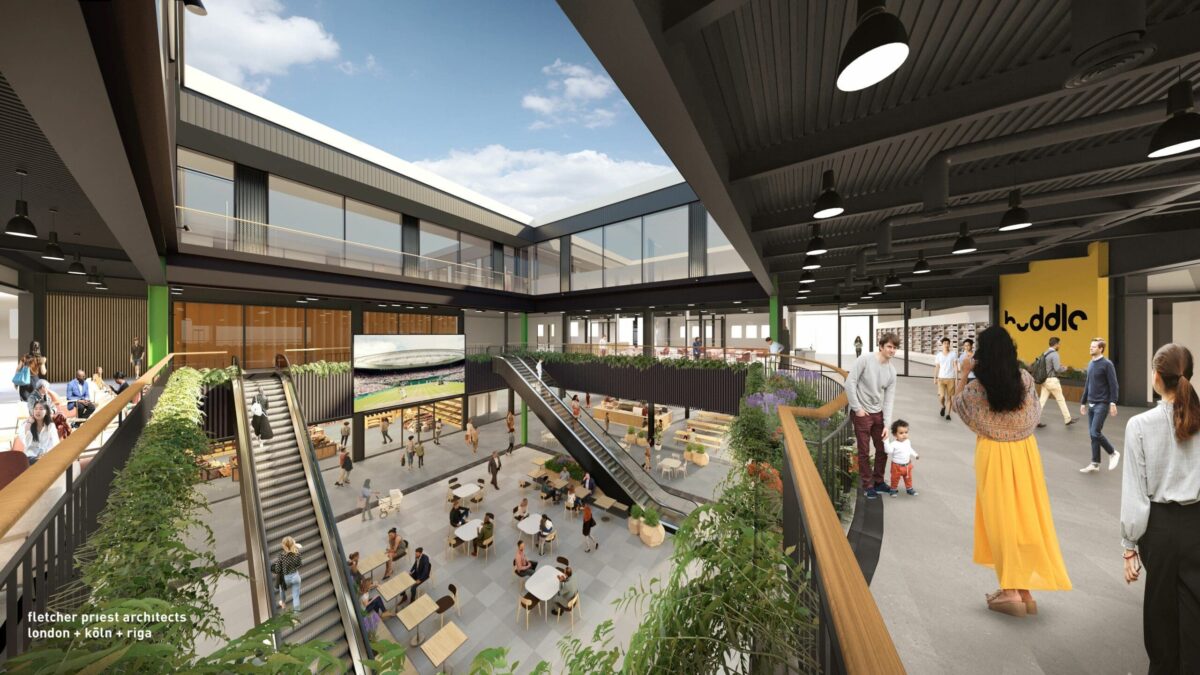
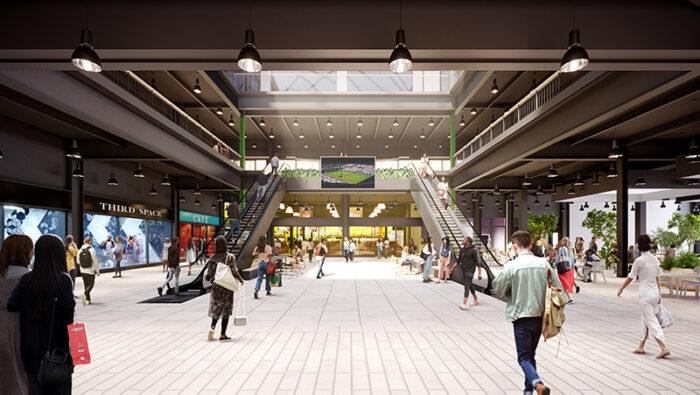
At Wimbledon Quarter, Sentinel carried out passive fire protection and commercial decorating while the centre remained open for more than 50 retail brands. The work involved a survey of the existing fire protection, board system upgrades and decoration of the metal decking and steelwork. Because the centre stayed open, the team had to plan access and sequencing around live trading rather than around a clear site.
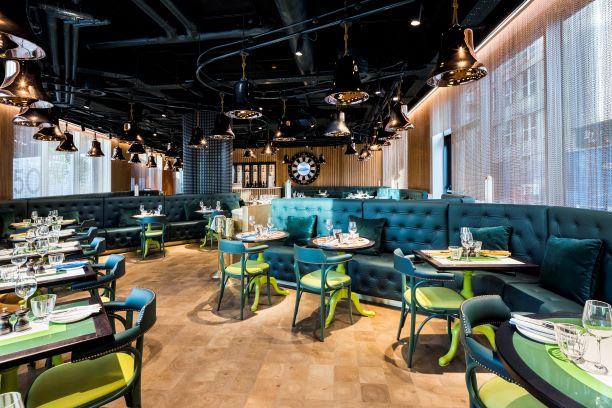
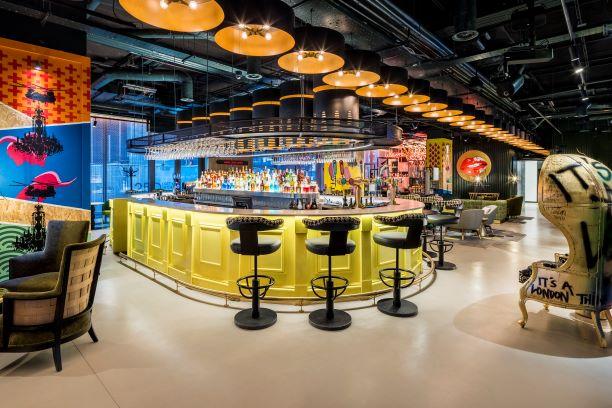
At the nhow Hotel in Shoreditch, Sentinel decorated nine storeys for Willmott Dixon Interiors, including 190 bedrooms, a restaurant, bar, gym and meeting rooms. The design called for bold, graffiti-style artwork delivered with precision. Graham Shaw, managing director of Willmott Dixon Interiors, said: “We were delighted to work on this fabulous new hotel with its innovative design concept.”
At K1 Knightsbridge, Sentinel decorated retail areas, offices, residential units and a rooftop restaurant in one of the capital’s most valuable locations. The team handed over on time, which matters most where a unit’s opening date is tied to a retail launch or a lease start.
Similarly, at Eighty Strand, all on-site handovers and completions were achieved on schedule despite lead paint on the existing window frames and the arrival of the Covid-19 pandemic at the start of the works.
Why Contractor Stability Matters on Compressed Programmes
A tight trading window leaves no room for a subcontractor who cannot mobilise, resource or finish. If a decorating contractor withdraws, runs short of labour or fails to complete, the main contractor carries the programme risk and the retailer loses trading days.
Sentinel has traded for many years and is financially stable. In other words, we are a secure partner that is not going anywhere. For main contractors, that means a team that can commit resource at the outset, complete to handover and remain available if a defect or snag appears later.
Practical Takeaway
Before appointing a decorating contractor for a live retail or hospitality scheme, consider the following:
- Has the exact handback time been agreed with the tenant or operator?
- Is the works area phased, hoarded and protected before decorating begins?
- Do the coatings suit the odour, VOC and curing requirements of the space?
- Are out-of-hours consents and landlord restrictions confirmed in writing?
- Can the contractor demonstrate the stability and resource to complete the package?
Answering these questions early protects trading days and gives the main contractor programme certainty.
Speak to Sentinel
If you are planning a retail or hospitality fit-out and need decorating delivered around live trading, discuss your upcoming project with our commercial decorating team. your building needs without compromising patient care or programme certainty.
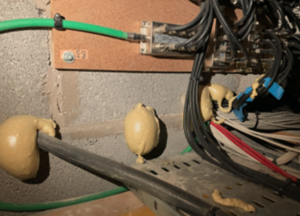
Retrofit Fire Stopping: Remediating Defects in Existing Buildings

Fire protection can be installed correctly when a building is constructed and still need attention later in its life. Buildings change. Services are added or replaced, refurbishment work takes place, and new penetrations are made through walls and floors.

Decorating Occupied Hospitals and Healthcare Buildings: Infection Control Meets Programme Certainty
Redecorating a live hospital ward is nothing like redecorating an empty office floor. The patients do not leave. The clinical routines do not pause. Infection control procedures do not relax because a contractor needs to apply a second coat.