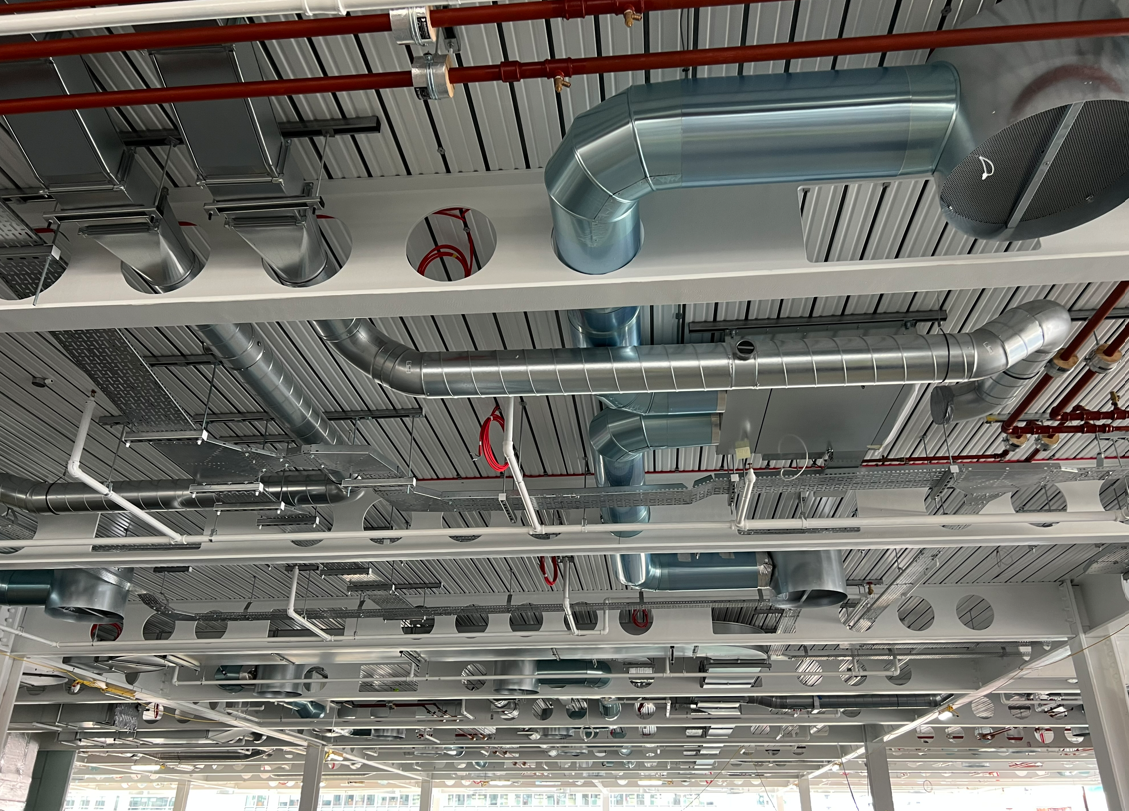
Passive vs Active Fire Protection: What Every Building Manager Should Know
Fire safety is one of the most important responsibilities for any building manager. Whether overseeing a commercial office, mixed-use development, educational facility or healthcare environment, ensuring that occupants can safely evacuate during a fire while protecting the building itself requires a coordinated approach.
Yet one area that is often misunderstood is the distinction between passive and active fire protection.
Both play a critical role in protecting people, property and business continuity. However, they serve very different functions and require different maintenance, inspection and installation strategies.
Understanding how these systems work together is essential for achieving compliance, managing risk and ensuring long-term building safety.
What is Active Fire Protection?
Active fire protection refers to systems that require movement, activation or human intervention to respond to a fire. These systems are designed to detect, alert, suppress or extinguish a fire once it has started.
Common examples include
- Fire alarms
- Smoke detection systems
- Sprinkler systems
- Emergency lighting
- Fire extinguishers
- Smoke control systems
When a fire occurs, active systems work to identify the threat and either alert occupants or help control the spread of flames and smoke. For example, a sprinkler system may suppress a fire before it becomes fully developed, while a fire alarm alerts occupants to begin evacuation.
These systems are highly visible within buildings and are often the elements most people associate with fire safety. However, active systems are only one part of a comprehensive fire strategy.
What Is Passive Fire Protection?
Passive fire protection is built into the structure of a building and works continuously, even when no fire is present. Rather than detecting or extinguishing fire, passive systems are designed to contain it, protect structural integrity and maintain safe evacuation routes.
Examples include
- Fire stopping systems
- Fire-resistant compartment walls
- Fire-rated floors and ceilings
- Intumescent coatings
- Fire Doors
- Structural fire protection
- Fire-rated boarding systems
The primary purpose of passive fire protection is to slow the spread of fire and smoke throughout a building. This compartmentation strategy helps ensure occupants have sufficient time to evacuate while providing emergency services with safer access to the affected area.
Unlike active systems, passive fire protection does not require activation. It is always in place and working in the background. This is why many building managers work with specialist passive fire protection contractors to inspect, maintain and verify these critical systems.

Why Both Systems Are Essential
A common misconception is that sprinklers or alarms alone provide adequate fire protection. In reality, active and passive systems are designed to complement one another. Consider a fire that begins in a plant room.
The smoke detectors may identify the fire and trigger an alarm. Sprinklers may then activate to help control the flames. However, if fire stopping systems are missing or damaged, smoke and fire can rapidly spread through service penetrations into adjacent compartments.
Similarly, if structural steelwork lacks adequate protection, excessive heat can compromise the building’s stability even if active systems are operating correctly.
Passive protection buys time. Active protection responds.
Together they form an integrated fire safety strategy that protects life and property.
The Insurance & Compliance Perspective
Passive fire protection is not just about meeting legal obligations. It can also have significant implications for insurance coverage and liability.
While commercial insurance policies do not typically specify that a passive fire-stopping survey must be carried out, they do require building owners and Responsible Persons to comply with fire safety legislation, including the Regulatory Reform (Fire Safety) Order 2005.
If a fire investigation finds that damaged, missing, or undocumented fire-stopping allowed fire or smoke to spread beyond its intended compartment, insurers may question whether reasonable fire safety measures were maintained. In serious cases, this could affect the outcome of a claim.
A Fire Risk Assessment identifies fire safety risks and highlights areas requiring further investigation. For building owners, facilities managers, and Responsible Persons, combining regular Fire Risk Assessments with periodic passive fire surveys creates a stronger audit trail, supports legal compliance, and provides documented evidence that can prove invaluable following an incident.
Lessons from Complex Commercial Projects
No two buildings present the same fire protection challenges. Age, structure, occupancy and refurbishment requirements all influence the approach needed.
At Norfolk House in London’s St James’s, Sentinel delivered passive fire protection throughout the redevelopment of a historic commercial building. Fire-resistant wall systems, insulation wraps and fire-stopping solutions were used to address complex corridor design requirements while maintaining compliance within a sensitive conservation area.
At The Whiteley in Bayswater, the challenge was even more complex. A retained heritage façade had to be connected to a new internal structure while accommodating significant long-term movement between the two. Sentinel designed and installed a bespoke fire compartment system capable of providing 120 minutes of fire resistance without restricting structural movement.
These projects demonstrate that effective passive fire protection is rarely a standard solution. Whether working within heritage environments, modern educational facilities or large-scale commercial developments, successful outcomes depend on competent design, tested systems and expert installation.
Practical Considerations for Building Managers
If you are responsible for a commercial property, consider the following questions:
- When was the last passive fire protection survey undertaken?
- When to conduct a fire protection survey to ensure insurance coverage?
- Have recent refurbishment works affected compartmentation?
- Are fire doors regularly inspected?
- Is documentation available for installed fire stopping systems?
- Have structural fire protection measures been verified?
Addressing these issues proactively can help avoid costly remediation works and reduce compliance risks later.
Fire Safety Requires a Balanced Approach
Active systems often receive the most attention because they are visible and interactive. However, passive fire protection is equally important in protecting buildings and saving lives.
Without effective compartmentation, fire stopping and structural fire protection, even the most sophisticated active systems may struggle to contain a serious fire.
For building managers, understanding the relationship between active and passive fire protection is key to creating safer, more resilient buildings.
Speak to Sentinel
Whether you’re planning a refurbishment, reviewing compliance obligations or improving existing fire safety measures, Sentinel can help.
We provide comprehensive fire inspection services to help building owners, developers, contractors and facilities managers maintain compliance, reduce risk and protect their assets.
Our inspections are carried out by qualified specialists, including Level 3 IFE & FPA certified surveyors, delivering detailed assessments of passive fire protection systems, fire stopping and compartmentation.
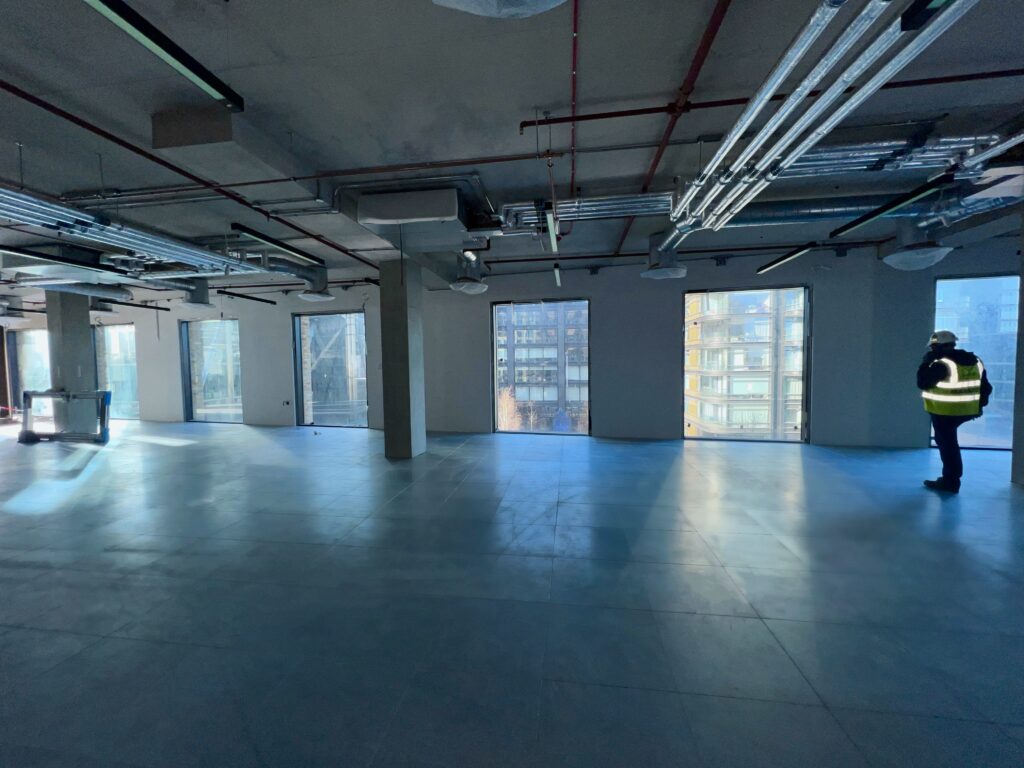

When was your building last Fire Inspected?

Fire protection measures can be installed correctly when a building is constructed and still require attention later in its life. When was your building last Fire Inspected?

Why Surface Preparation Determines the Durability of Every Paint Job
When a paint system fails, the product is often the first thing to take the blame. In reality, long-term performance is rarely determined by the name on the tin. It is determined by what happens before the first coat is applied.